
AIARE 1 Avalanche Course For Ice Climbers & Alpinists
Avalanche Education in the San Juans, Built For Mountaineers
Skyward Mountaineering's AIARE Level 1 Avalanche Course for Ice Climbers & Alpinists is designed specifically for people who travel through winter mountain terrain on foot. Rather than focusing primarily on ski touring and splitboarding, this three day course applies AIARE's nationally recognized curriculum to the avalanche problems climbers and mountaineers encounter while approaching ice climbs, steep snow couloirs, and other alpine objectives.
Based in Silverton, Colorado, the course combines classroom instruction with hands on field sessions in the San Juan Mountains. You'll learn how to interpret avalanche forecasts, evaluate snow and weather conditions, recognize avalanche terrain, plan winter climbing routes, and make informed decisions about when and how to travel through avalanche terrain.
The course is ideal for ice climbers, mountaineers, alpinists, snowshoers, and other winter travelers who want formal avalanche education without having to learn the curriculum through a ski touring lens.

Course Descriptions: Introductory AIARE Level 1 avalanche course designed specifically for ice climbers and alpinists.
Prerequisites: No previous avalanche course experience is required. Instruction takes place primarily on foot or snowshoes in winter mountain terrain, though students may opt to use skis for flotation.


Schedule: 3 full days (8 hours each) of in-person learning in a classroom setting and in the field with hands-on practice.
Group Size: Avalanche courses are taught with a maximum of 6 students per instructor.


Location: AIARE 1 Course For Ice Climbers and Alpinists is based in Silverton, Colorado.
Elevation: 9,318ft / 2,840m
Pricing: $725/student for a 3 day AIARE 1 course.
Why Take A Climber Specific AIARE 1 Avalanche Course?
Avalanche education is often taught from a ski touring perspective, but climbers encounter avalanche terrain differently. An ice climber may approach a route on foot, cross a snow covered apron, climb beneath avalanche paths, climb in a steep couloir, or spend hours in terrain where retreat options are limited.
This course uses those situations as the context for avalanche education. Instead of focusing on skin tracks and ski specific travel techniques, you'll learn how to apply avalanche forecasts, snowpack observations, terrain analysis, and group decision making to winter climbing and mountaineering objectives.
You'll learn to ask questions such as:
Is the approach to the route exposed to avalanche terrain?
What avalanche paths cross or affect the climbing route?
How does snowpack affect the avalanche hazard and climbing route?
How can changing conditions affect a descent?
How should a climbing team communicate and make decisions when conditions change?
How can avalanche terrain influence the choice of climbing objective?
Plan Your AIARE 1 For Alpinists Course In The San Juans
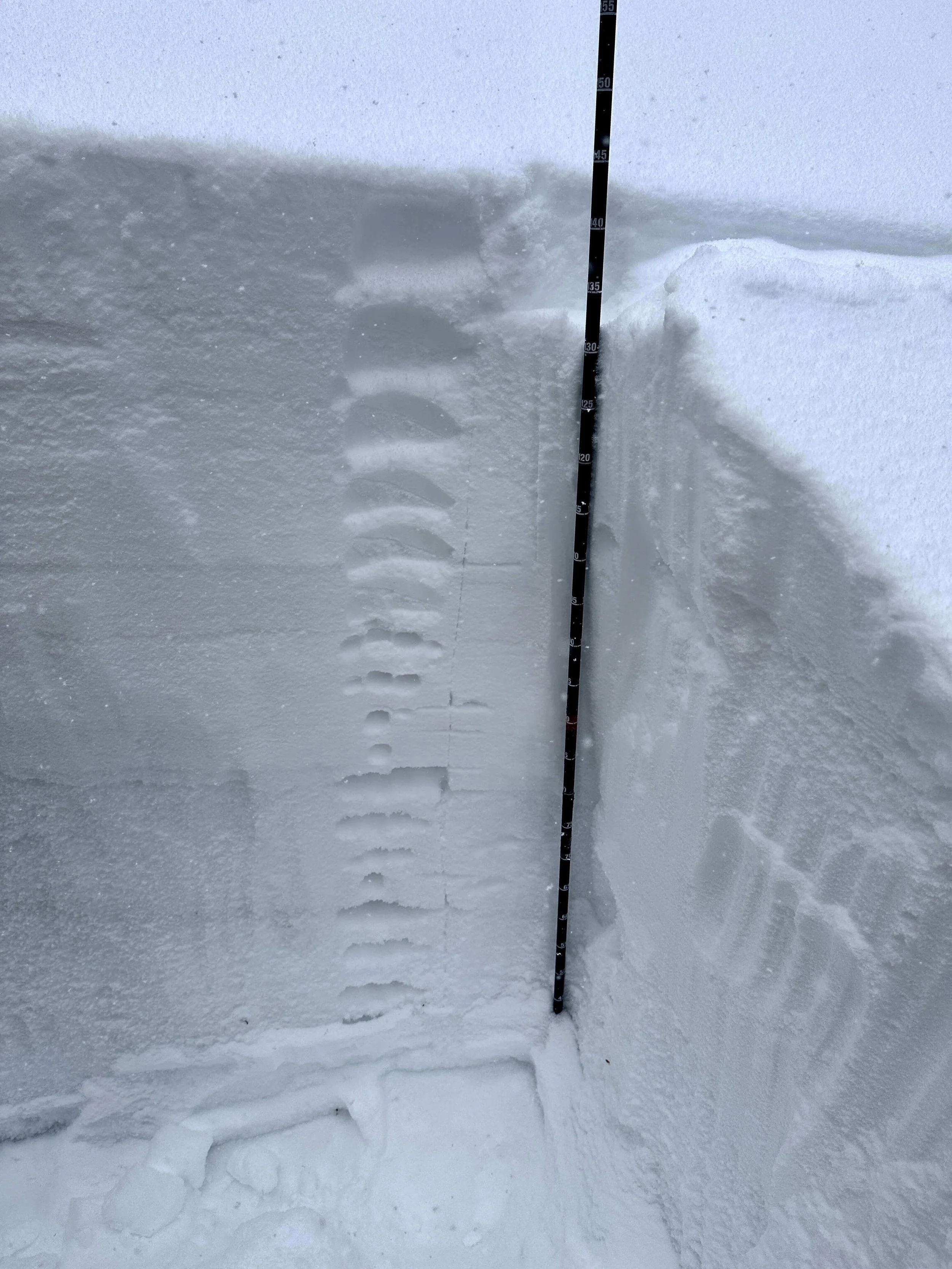
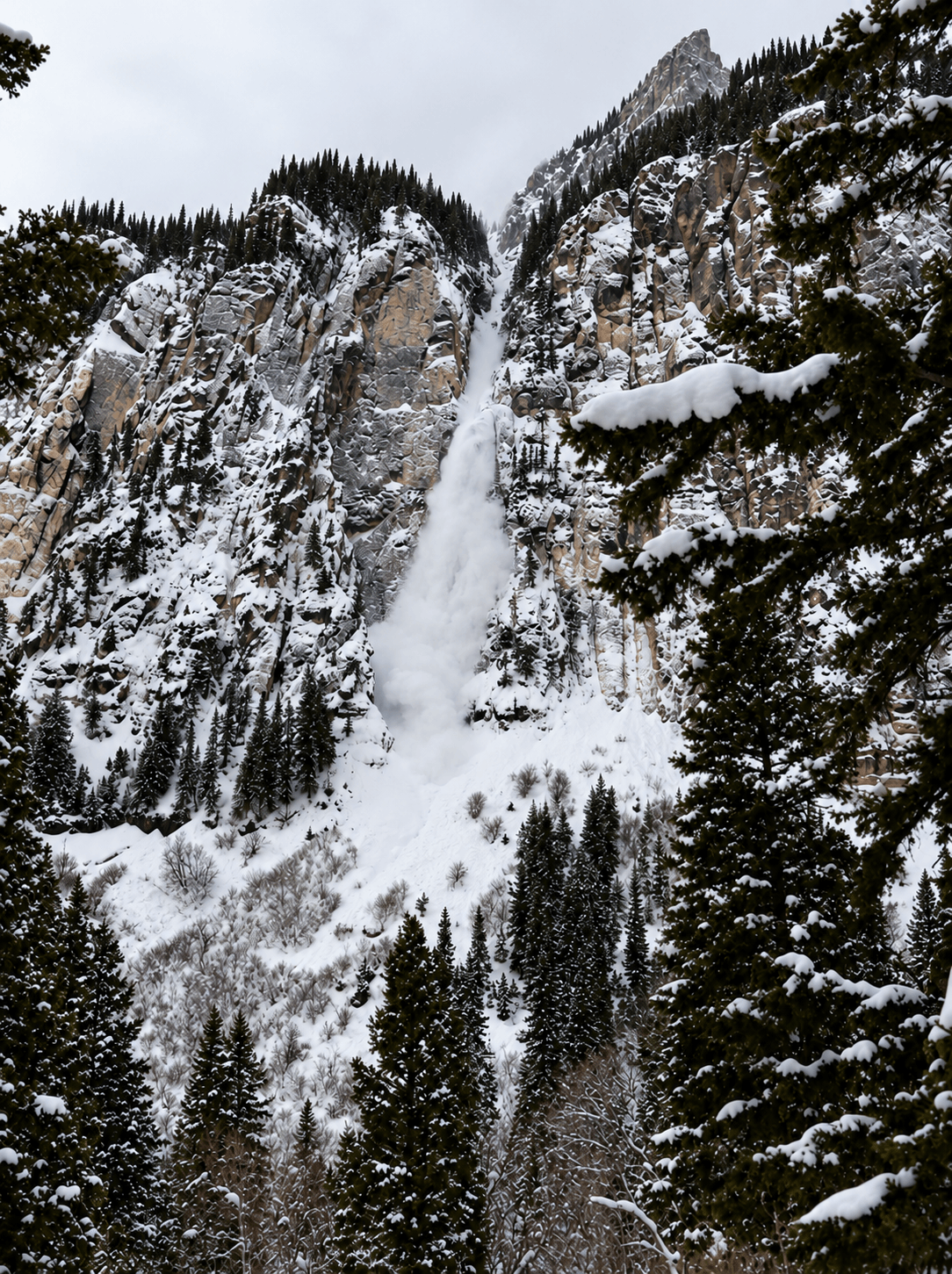
Avalanche Hazards Climbers Need to Understand
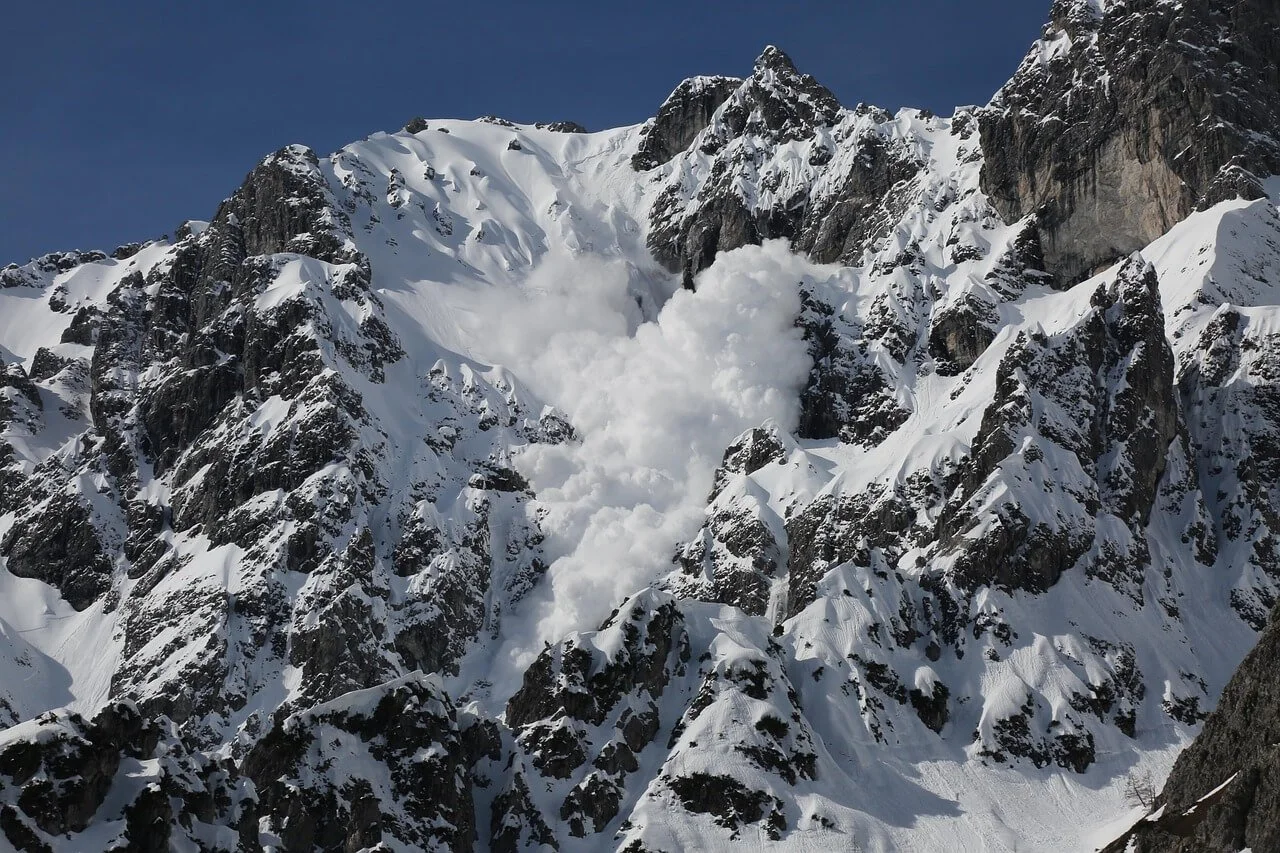
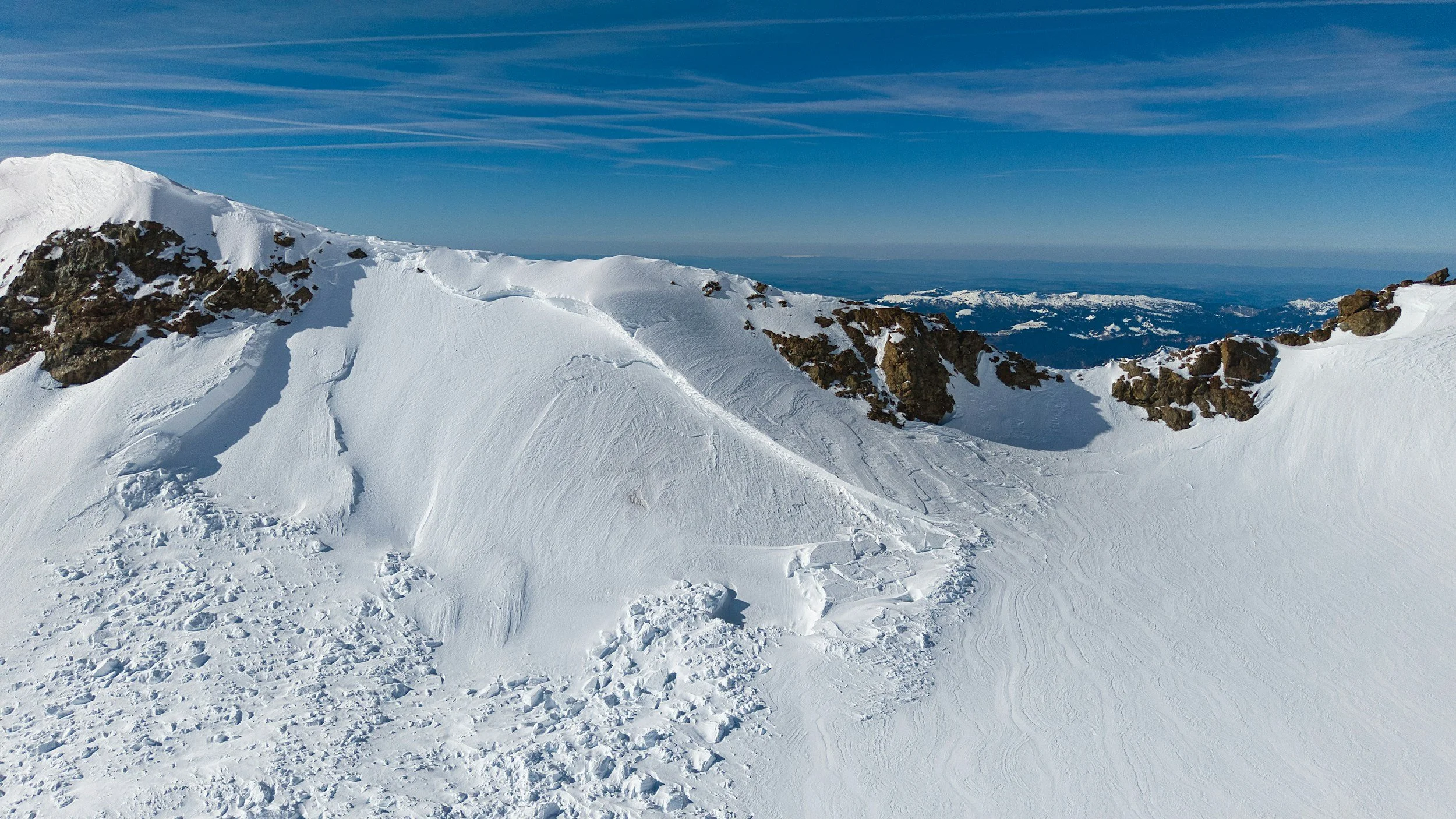
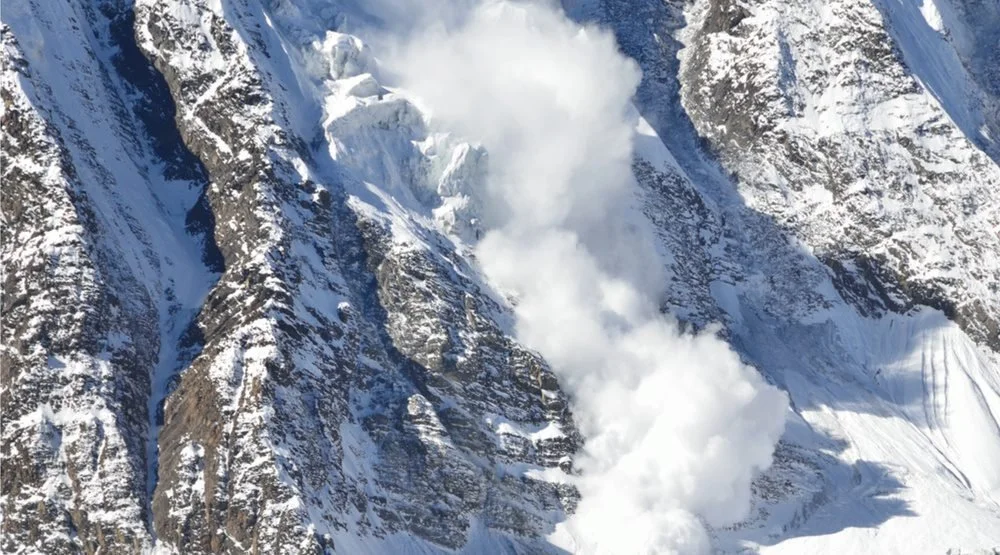
For climbers, avalanche exposure doesn't necessarily end when you reach the base of the route. Avalanche terrain can affect the entire objective, from the trailhead to the approach, climbing route, and descent.
Approaching an Ice Climb: A seemingly simple approach may cross or pass beneath avalanche paths. You'll learn how to recognize these hazards and determine when an approach is appropriate.
Climbing Beneath Avalanche Terrain: Ice climbs and alpine routes can be located directly beneath steep snow slopes, start zones, and seracs. Understanding the terrain above your route can be just as important as understanding the terrain you're standing on.
Steep Snow Routes: Steep couloirs can provide classic alpine climbing objectives while also concentrating avalanche hazard. Learn how to incorporate snowpack, weather, terrain, and timing into decisions about these routes.
Descent and Retreat: Avalanche exposure can change throughout the day. Learn to consider how warming, new snowfall, wind, and changing conditions can affect your descent and retreat options.
Objective Selection: Sometimes the safest decision is choosing a different route. Learn how avalanche conditions can influence which climbing objective you select before leaving the trailhead.
AIARE 1 Avalanche Course Itinerary
The exact field locations and schedule may change based on weather, snowpack, avalanche conditions, and the needs of the group.
-
Meet in our classroom in Silverton, Colorado for an introduction to avalanche terminology, avalanche problems, mountain weather, and the fundamentals of avalanche hazard assessment.
We'll then move into the field to begin applying these concepts to real snow and terrain. You'll start developing the observation and communication skills you'll use throughout the course.
-
Begin by examining the current avalanche forecast and discussing how recent weather and snowpack conditions affect the day's terrain.
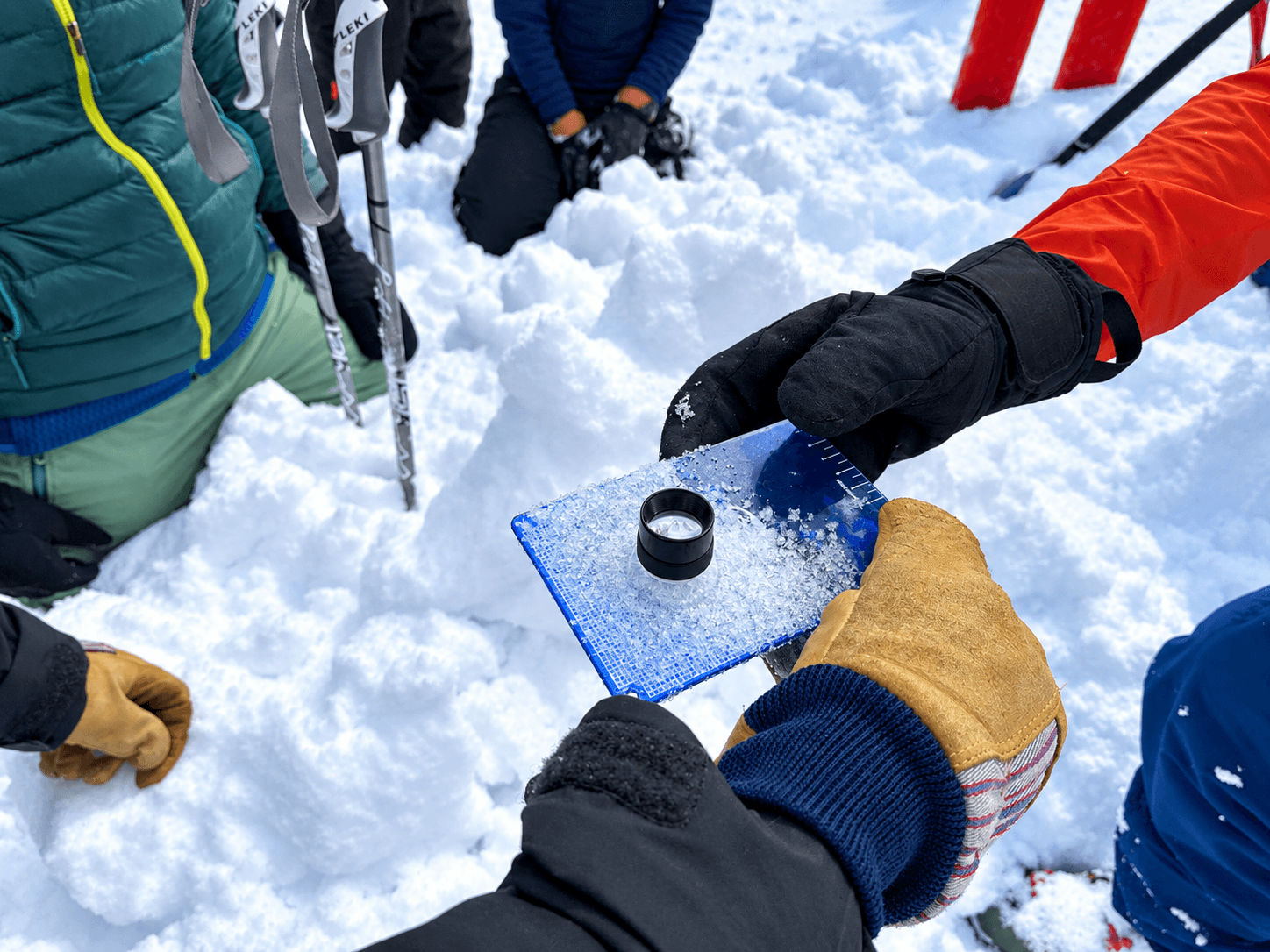
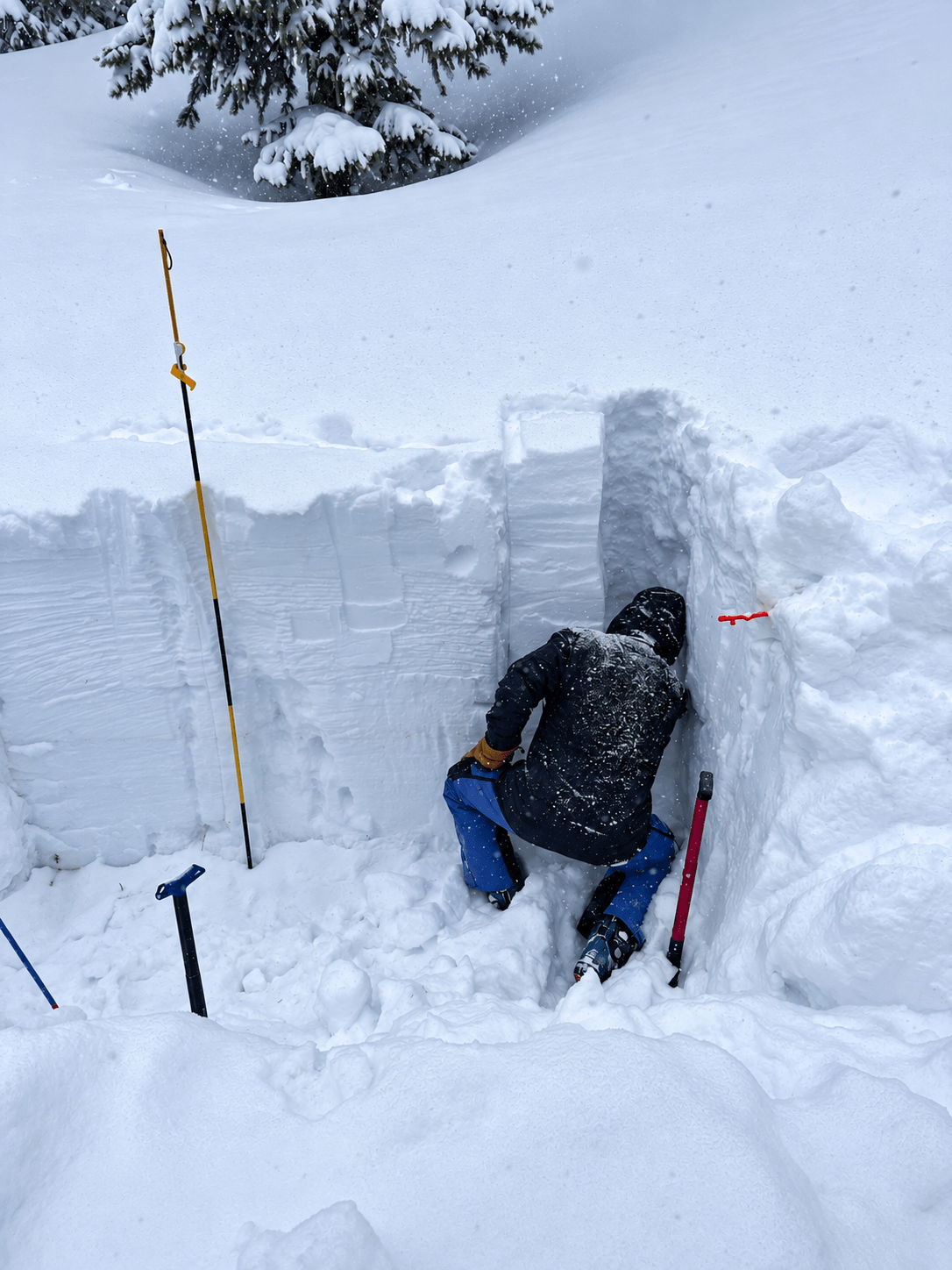
In the field, you'll practice snowpack observations and learn how to connect those observations with terrain characteristics, avalanche problems, and route choices. We'll focus on terrain that reflects the types of approaches and objectives encountered by winter climbers and mountaineers.
-
Use the information you've gathered throughout the course to develop a climbing specific route plan.
You'll evaluate the approach, objective, descent, avalanche terrain, terrain traps, weather, snowpack, and potential changes in conditions. The day culminates with field application of your group's decision making process in the Silverton backcountry.
Why Take An AIARE Level 1 Course With Skyward Mountaineering?
Avalanche education is most useful when you can connect classroom concepts to real decisions in complex mountain terrain. Skyward Mountaineering's avalanche instructors are professional, AMGA certified guides with extensive experience climbing and traveling in snowy and icy environments.
As an AMGA Accredited Business, we adhere to the highest standards for professional guiding, risk management, and guide education. Our small group approach allows instructors to work closely with students, answer questions, and adapt field instruction to current conditions.
Most importantly, we emphasize practical decision making rather than simply memorizing avalanche terminology. The goal is to help you recognize hazards, communicate concerns with your partners, and make better decisions before and during a winter climbing objective.
Learn Avalanche Skills in the San Juan Mountains
Silverton sits in the heart of Colorado's San Juan Mountains, an exceptional environment for learning avalanche skills relevant to winter climbing. The surrounding terrain includes steep cliffs, couloirs, open bowls, and complex mountain terrain where avalanche conditions can directly affect climbing objectives.
Field sessions take place in the Silverton backcountry and are adapted to current weather, snowpack, avalanche conditions, and the group's learning objectives. Rather than practicing avalanche concepts in isolation, you'll learn to connect forecasts and field observations to real mountain terrain and winter climbing decisions.
The San Juans also provide an excellent progression for climbers who plan to pursue more ambitious ice climbing, ski mountaineering, and alpine objectives throughout Colorado and beyond.
Frequently asked questions
-
No, though this course is marketed as an avalanche education course for ice climbers it is an avalanche education course, not an ice climbing course. You don't need to be an experienced climber, and no climbing takes place during the course.
-
The AIARE Level 1 curriculum introduces avalanche rescue concepts, but Skyward also offers a dedicated one day AIARE Avalanche Rescue Course for focused companion rescue practice.
You may choose to take the avalanche rescue course before or after your AIARE Level 1, though we strongly recommend pairing the courses in close proximity for the best learning outcomes.
-
The curriculum applies AIARE's Level 1 avalanche education framework to the terrain and decision making problems encountered by ice climbers, alpinists, mountaineers, and other winter travelers who travel primarily on foot.
Skiers and splitboarders are welcome to sign up for the course as well, though they may be better served by Skyward's standard AIARE Level 1 course, which incorporates ski touring specific travel and terrain considerations. For students who are both skiers and climbers they may opt for either course as both cover the same curriculum but through a specific lens.
-
Yes, although the course is designed primarily for on-foot travel, students may use skis for flotation if desired.
-
The course is based in Silverton, Colorado, with classroom and field sessions in the surrounding San Juan Mountains.