
Rock Climbing in Colorado National Monument
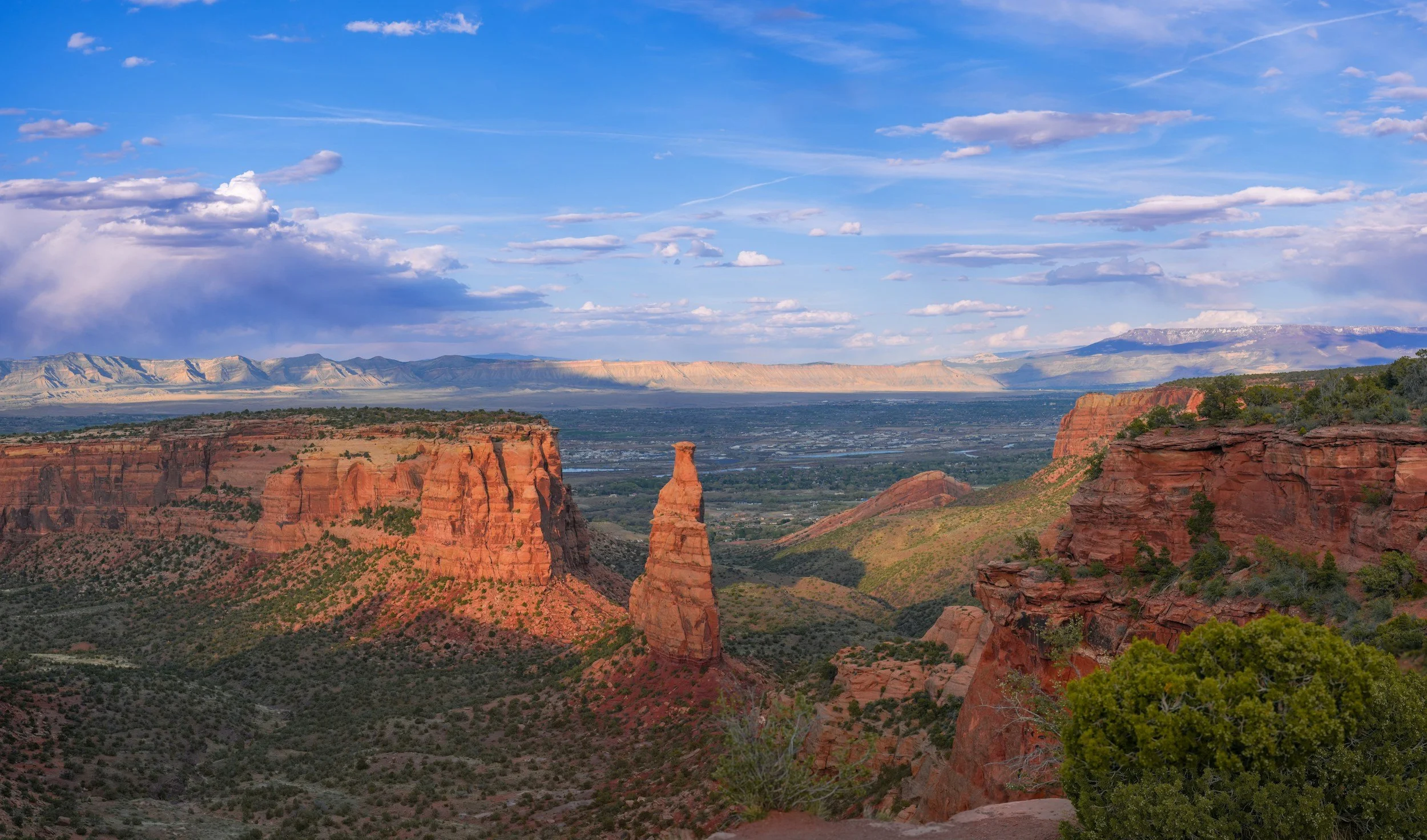
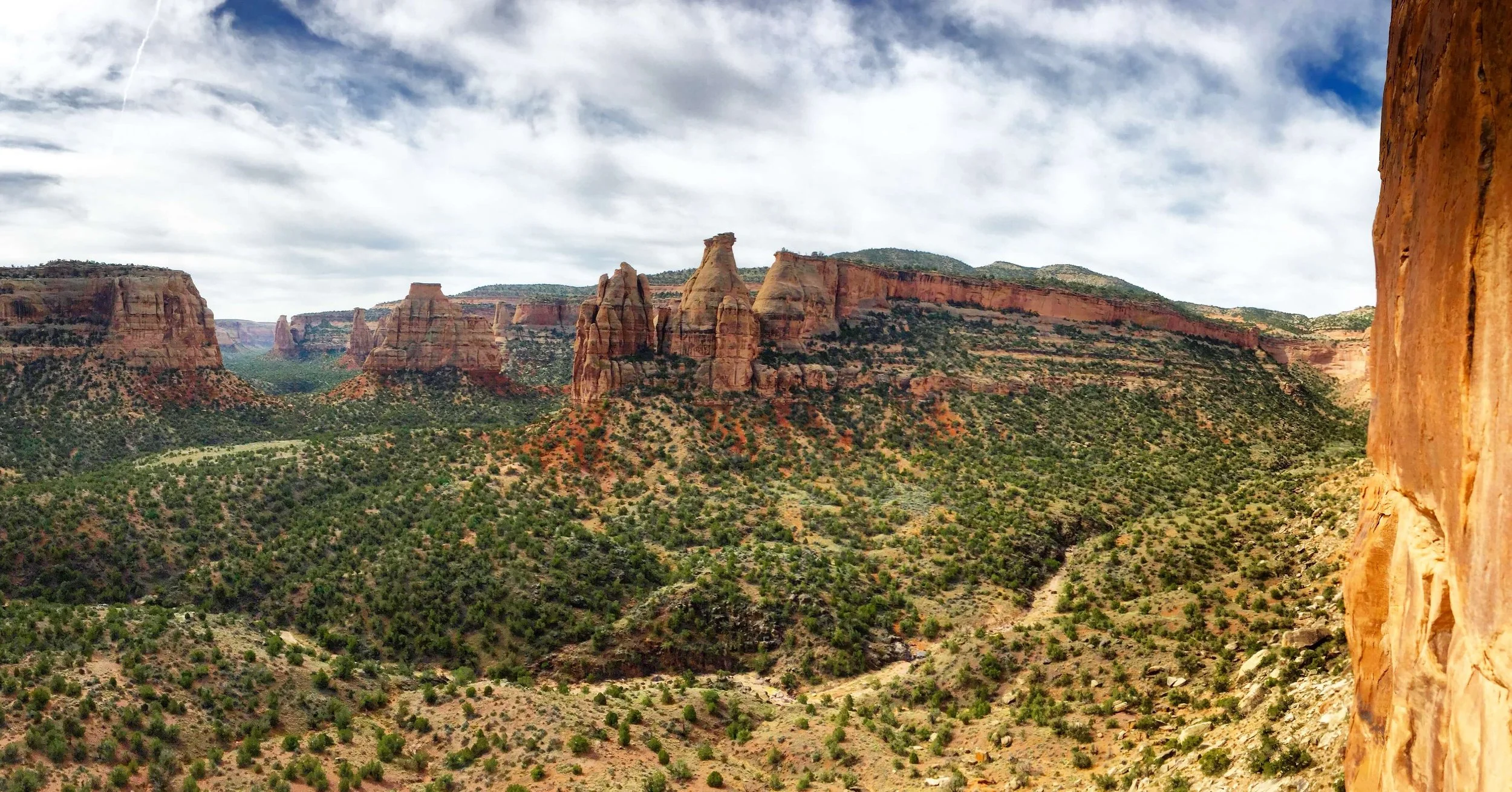
Colorado National Monument, just outside Grand Junction and Fruita, offers some of the best climbing on multi-pitch desert towers in Colorado, all without the crowds! Towering red rock formations, deep canyons and sweeping desert views make the Monument a must-visit destination - the added benefit of awesome rock climbing with a very adventurous feel and little to no crowds (even on weekends) make it a truly great rock climbing venue, which happens to be right in our backyard. Skyward Mountaineering’s local, AMGA certified guides have an intimate knowledge of the rock climbing routes in Colorado National Monument and our private guided climbing trips offer a unique combination of personalized instruction and ascents of classic desert towers, multi-pitch routes and single pitch sandstone cracks.


Multi-pitch rock climbing on desert towers
Routes range from 5.8 to 5.12+

Intermediate difficulty
Otto’s Route is a good introduction to multi-pitch climbing while there are also more challenging and committing routes for advanced climbers

Full day (8 hours)
Early March - late November

Grand Junction, CO
4,710 ft / 1,435 m
The West Slope’s Hidden Gem
Affectionately called “The Monument” by locals, this iconic landscape provides a variety of rock climbing opportunities for all skill levels. From single pitch crack climbing set amongst the red desert sandstone cliffs to multi-pitch desert towers, Colorado National Monument is a stunning climbing venue with multiple classic routes for a wide range of abilities. Skyward Mountaineering offers guided rock climbing in areas throughout Grand Junction, including Colorado National Monument, tailoring each trip to the abilities ad goals of each climber, whether you’re a novice rock climber who wants to learn the ropes or climb your first multi-pitch or an experienced climber looking for a remote and technical ascent of a truly wild summit.
-
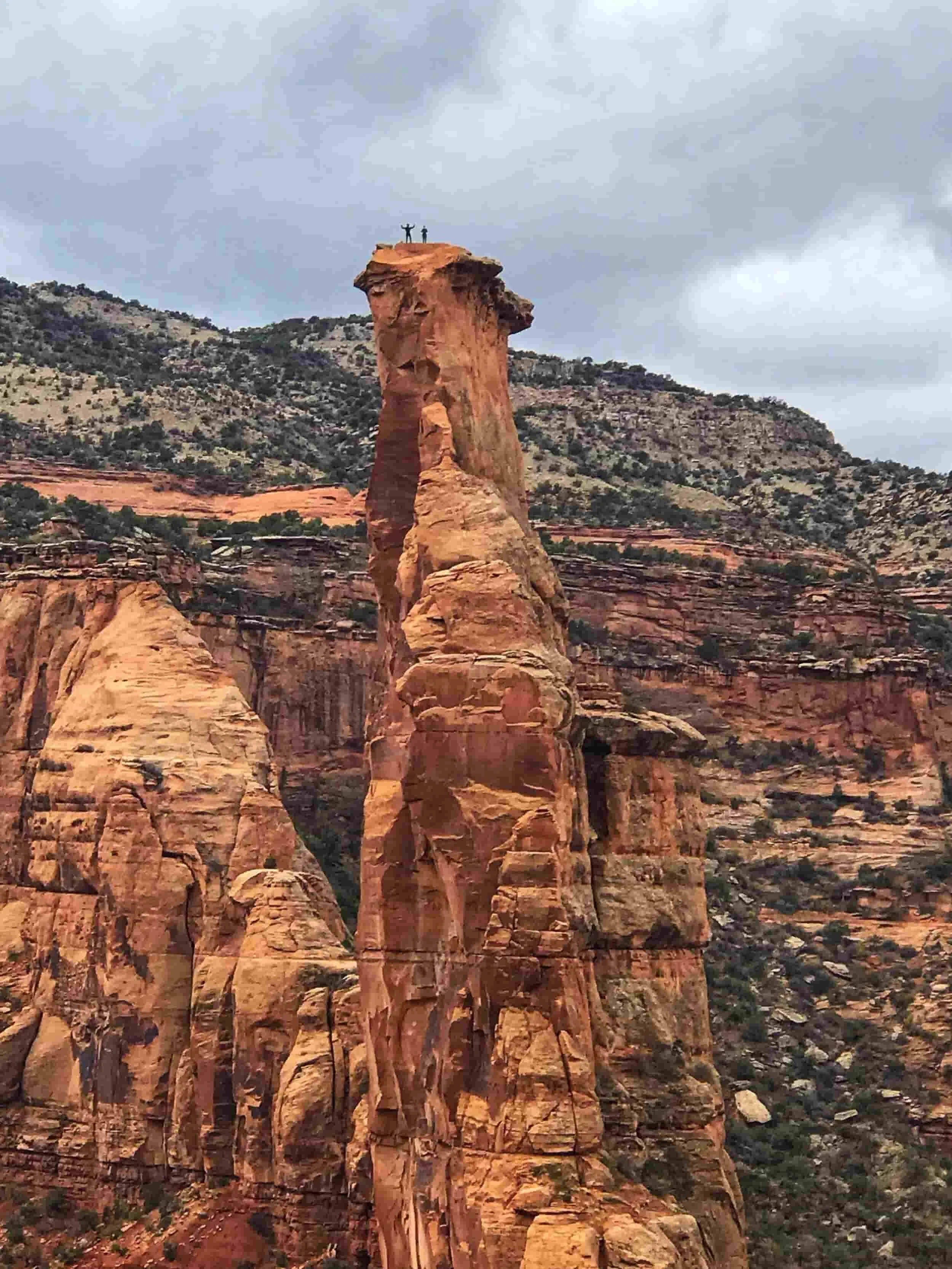
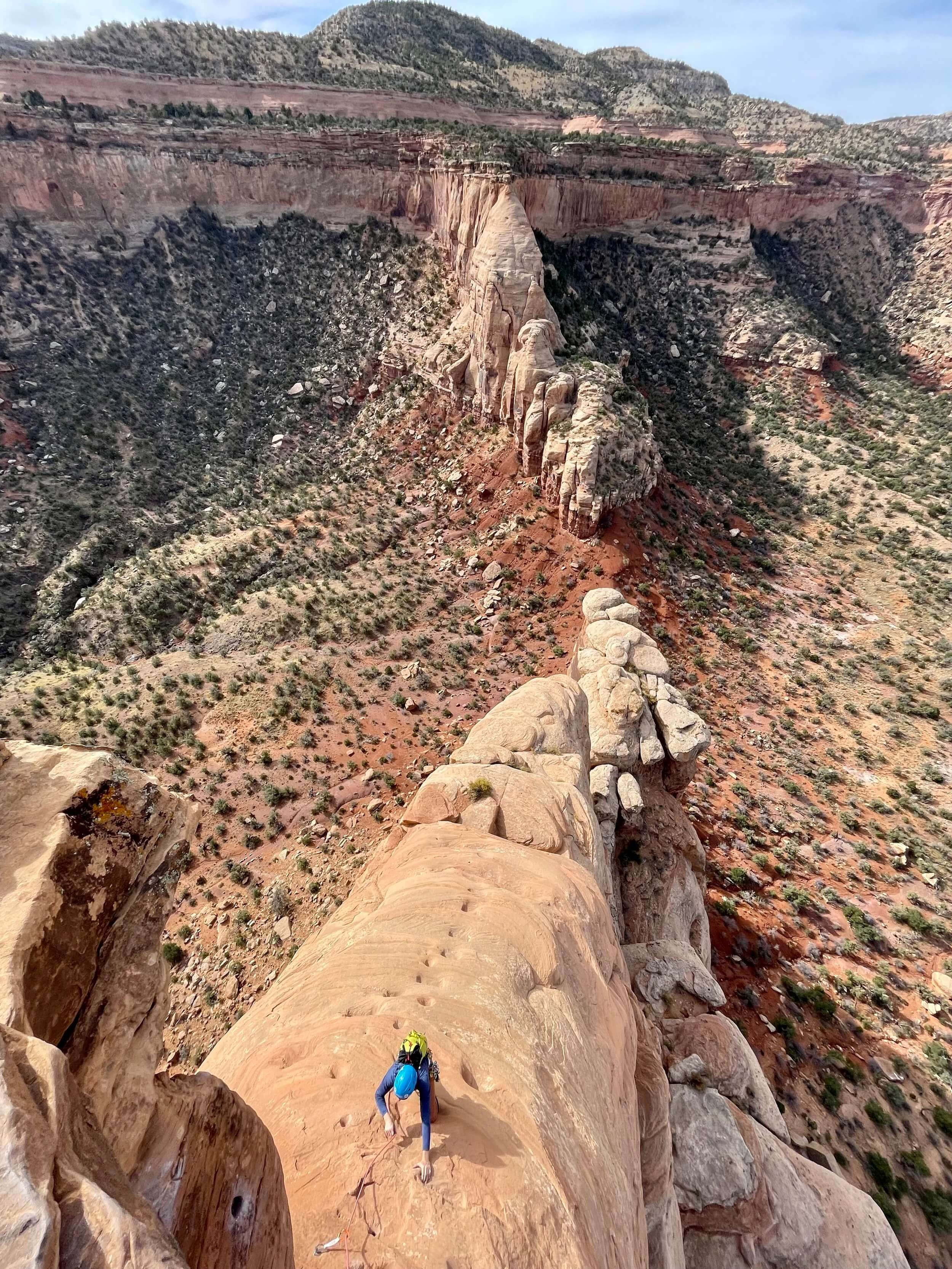
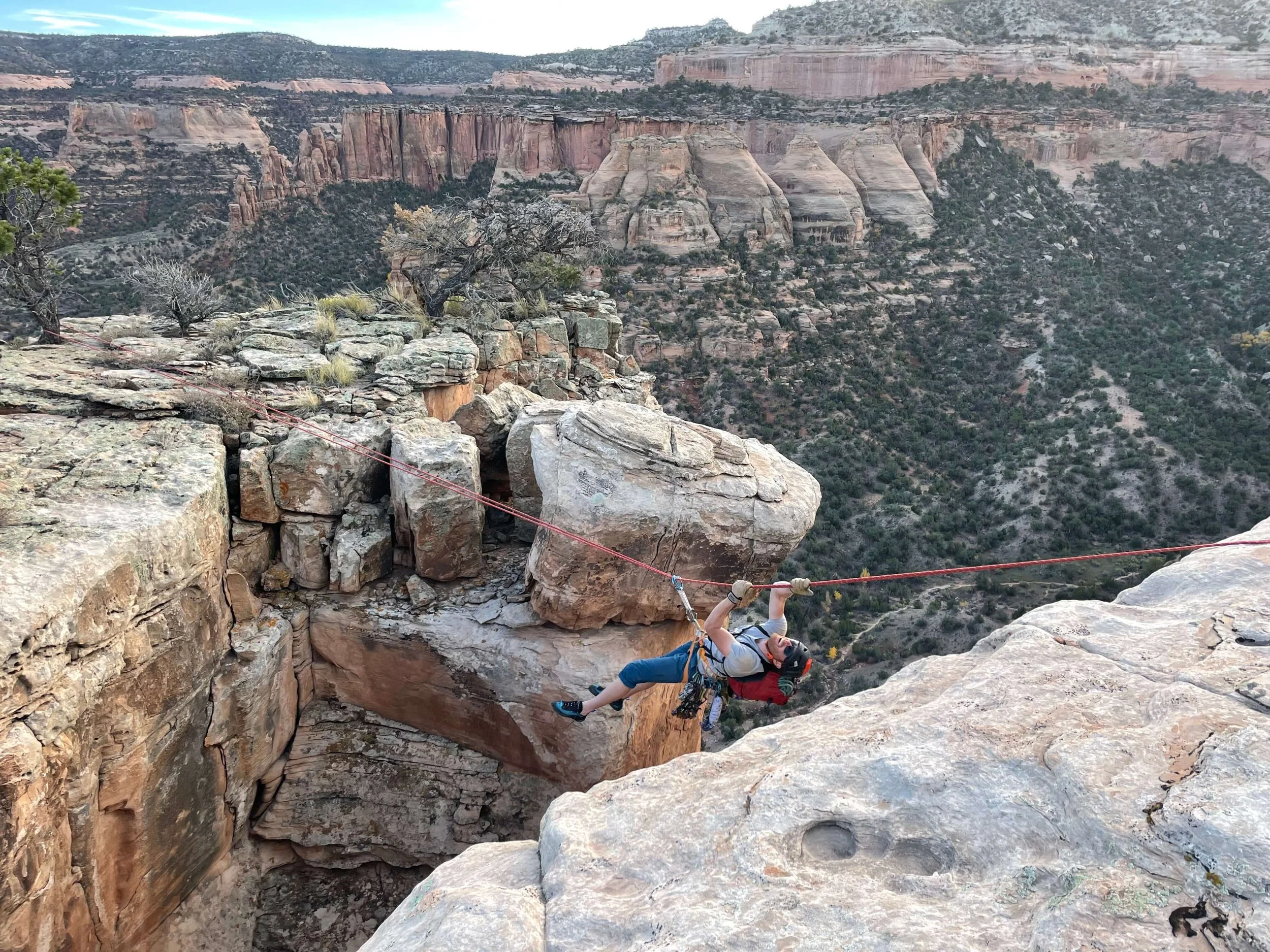
On July 4, 1911, the first superintendent of Colorado National Monument, John Otto ascended Independence Monument by drilling holes into the soft sandstone and placing iron pipe for hand and footholds. While these tactics would now be considered graffiti, this historic ascent leaves behind eroded holes that serve as a surprisingly moderate ascent of an incredibly steep desert tower. The exposure on the summit headwall is phenomenal and climbers are rewarded with awe-inspiring views of the surrounding Monument Canyon, Fruita, Grand Junction and the distant Book Cliffs from atop the flat summit of this unique desert tower.
This climb requires previous multi-pitch rock climbing experience though the moderate grade makes it a great entry level route for rock climbers. Skyward Mountaineering offers a 1-day prep for this route on surrounding Grand Junction rock climbing areas for climbers who want to climb Otto’s Route but need more experience first.
The climbing itself is a mix of enjoyable crack systems, ledges, and quirky features that showcase the Monument’s soft sandstone and the unique history of the first ascent. The first pitch begins with moderate crack and face climbing, leading to a comfortable belay stance. The middle of the route travels through a unique and deep chimney system, called the Time Tunnel, which is easy travel but an interesting feature. The upper pitches climb a pocketed face that involves balance and finesse, though the holds are large and mostly quite positive. As you near the summit, the route has significant exposure as the broad ridge sharpens and you ascend the overhanging headwall grabbing jugs hidden around the corner. Despite its moderate difficulty, the climb offers an adventurous feel and a true desert tower experience. It’s an ideal objective for climbers looking to stand on top of one of Colorado’s most iconic formations.
-
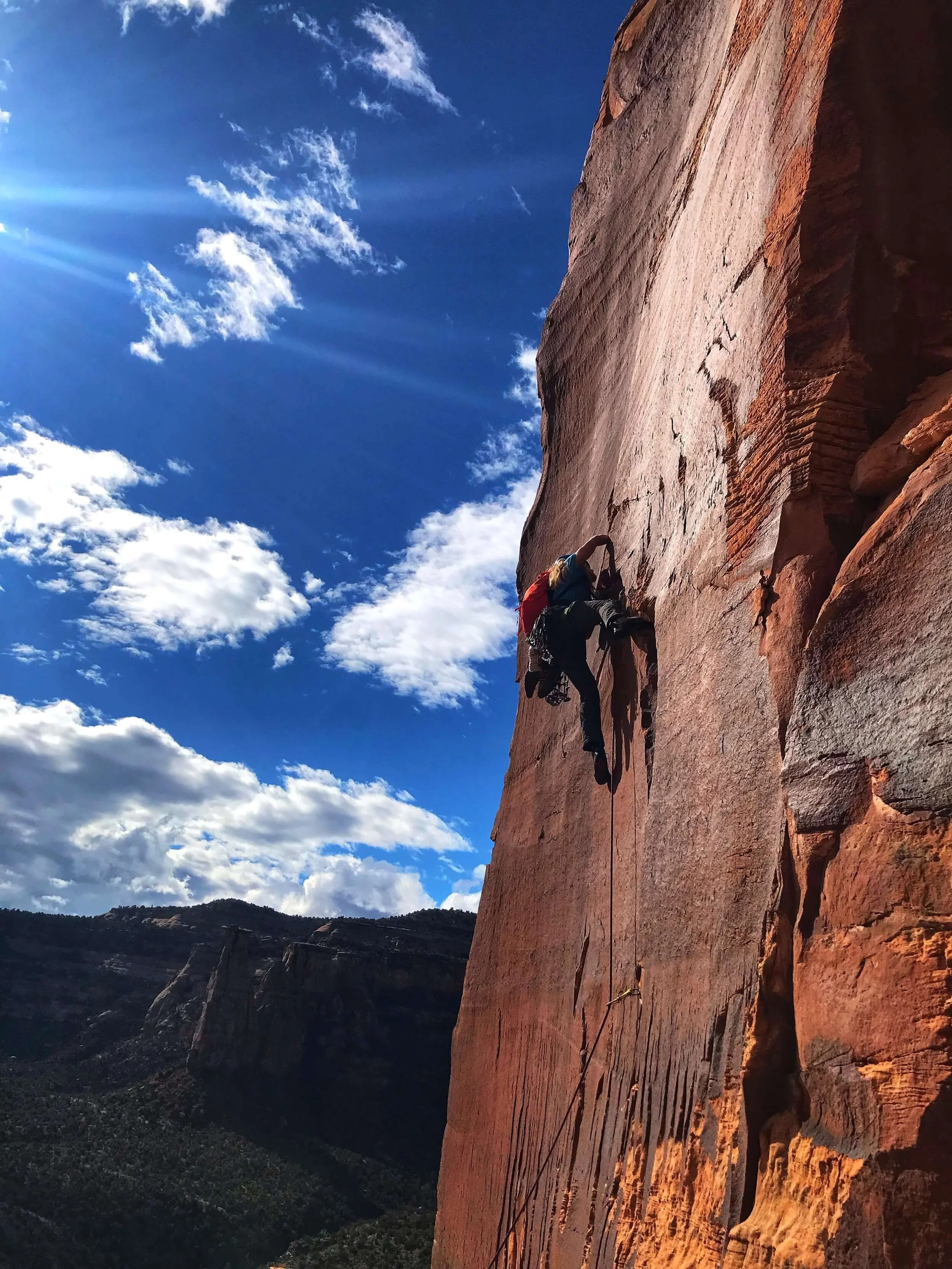
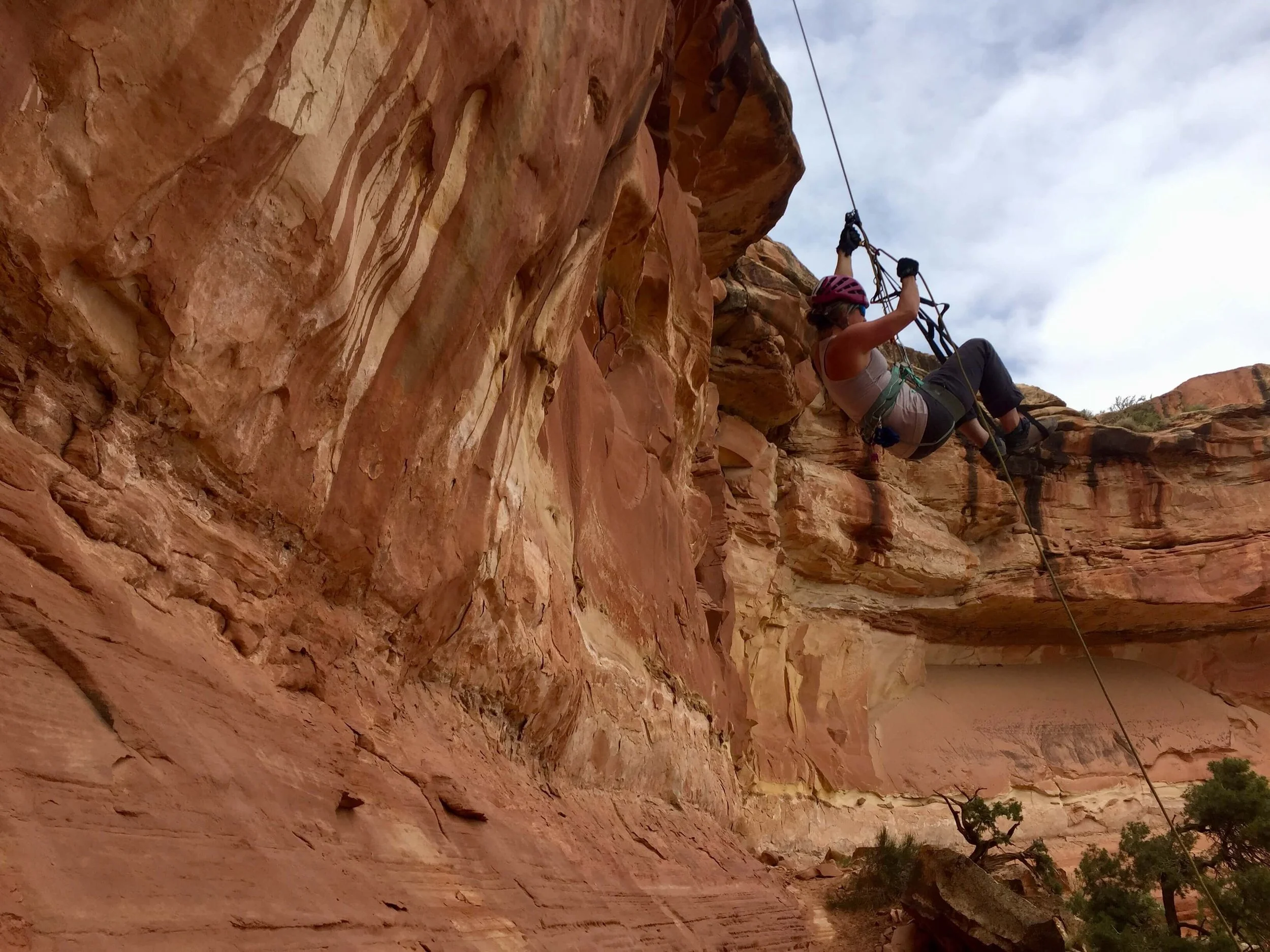
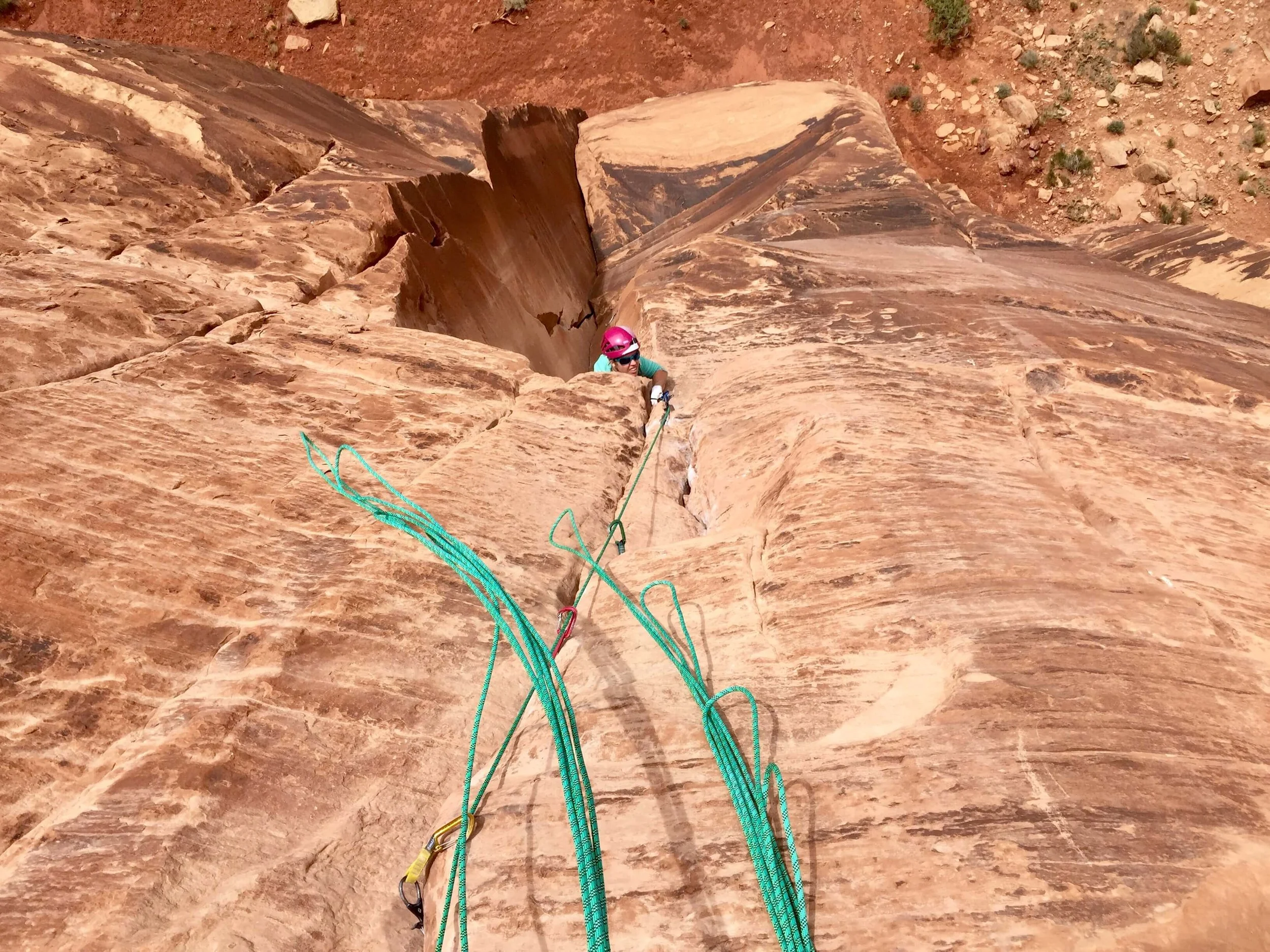
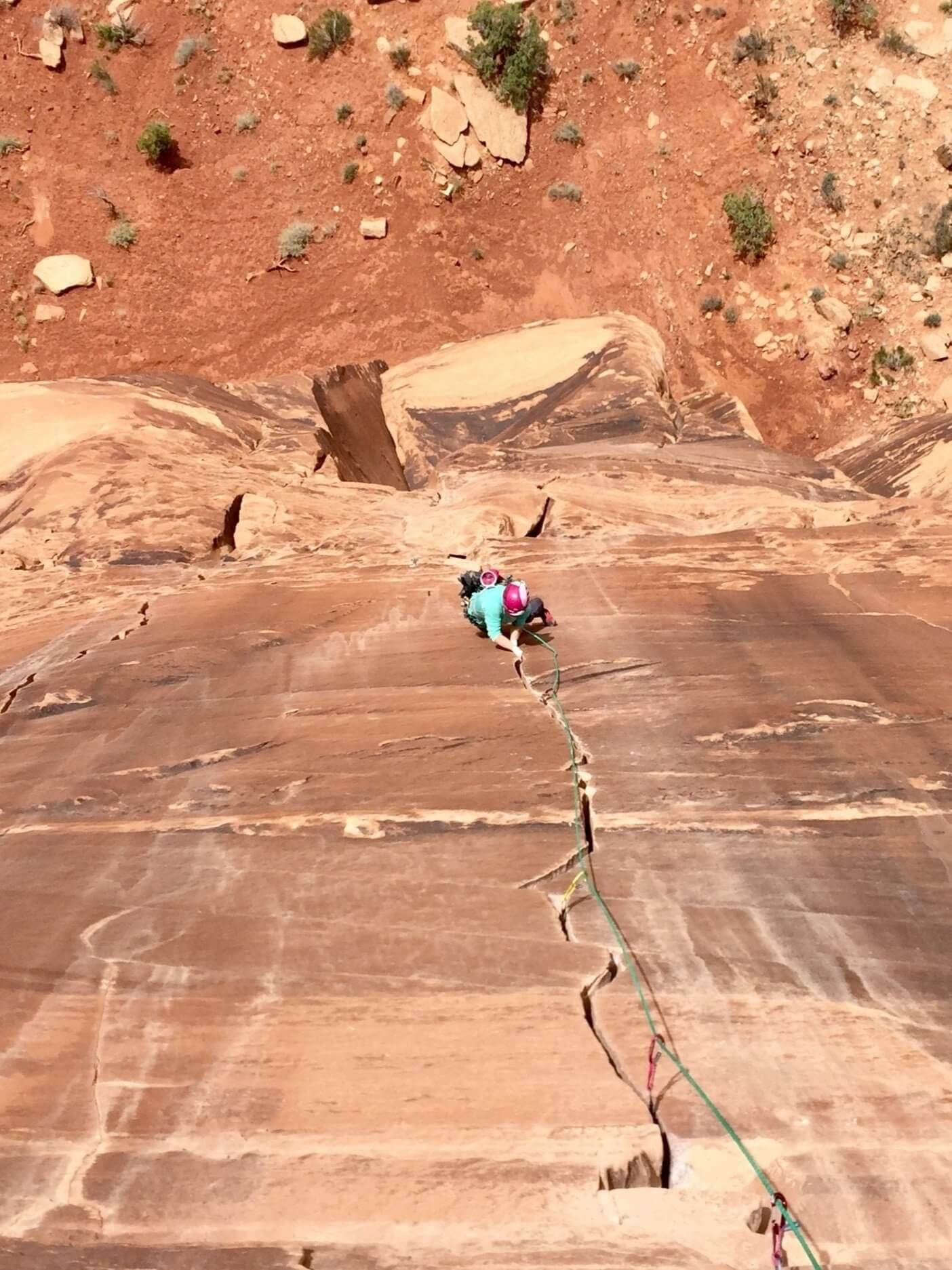
Rising dramatically above Monument Canyon, Sentinel Spire is one of the most striking formations in Colorado National Monument. Even the approach is an adventure! We start by rappelling just a short distance from the car over an overhanging alcove, which we have to re-ascend on the egress (wild!). We then continue with a short hike down to the base of the actual route. The climbing here is adventurous and exposed, climbing up 5 pitches of steep sandstone cracks. There are two crux pitches, a steep finger crack and a zig-zagging tight hands crack. Every pitch is awesome and for climbers up to the challenge this is a great introduction to steep crack climbing on desert towers.
-
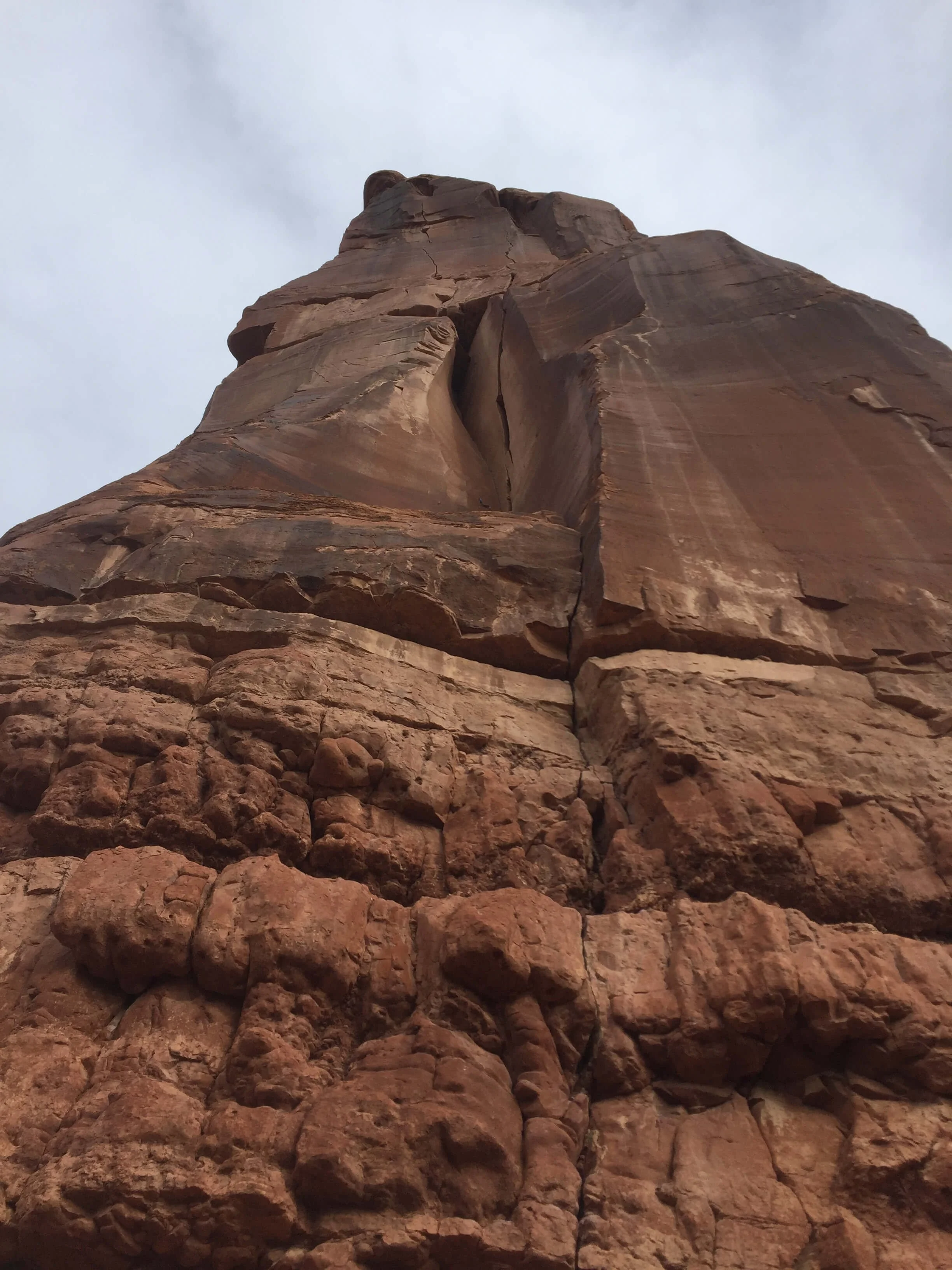
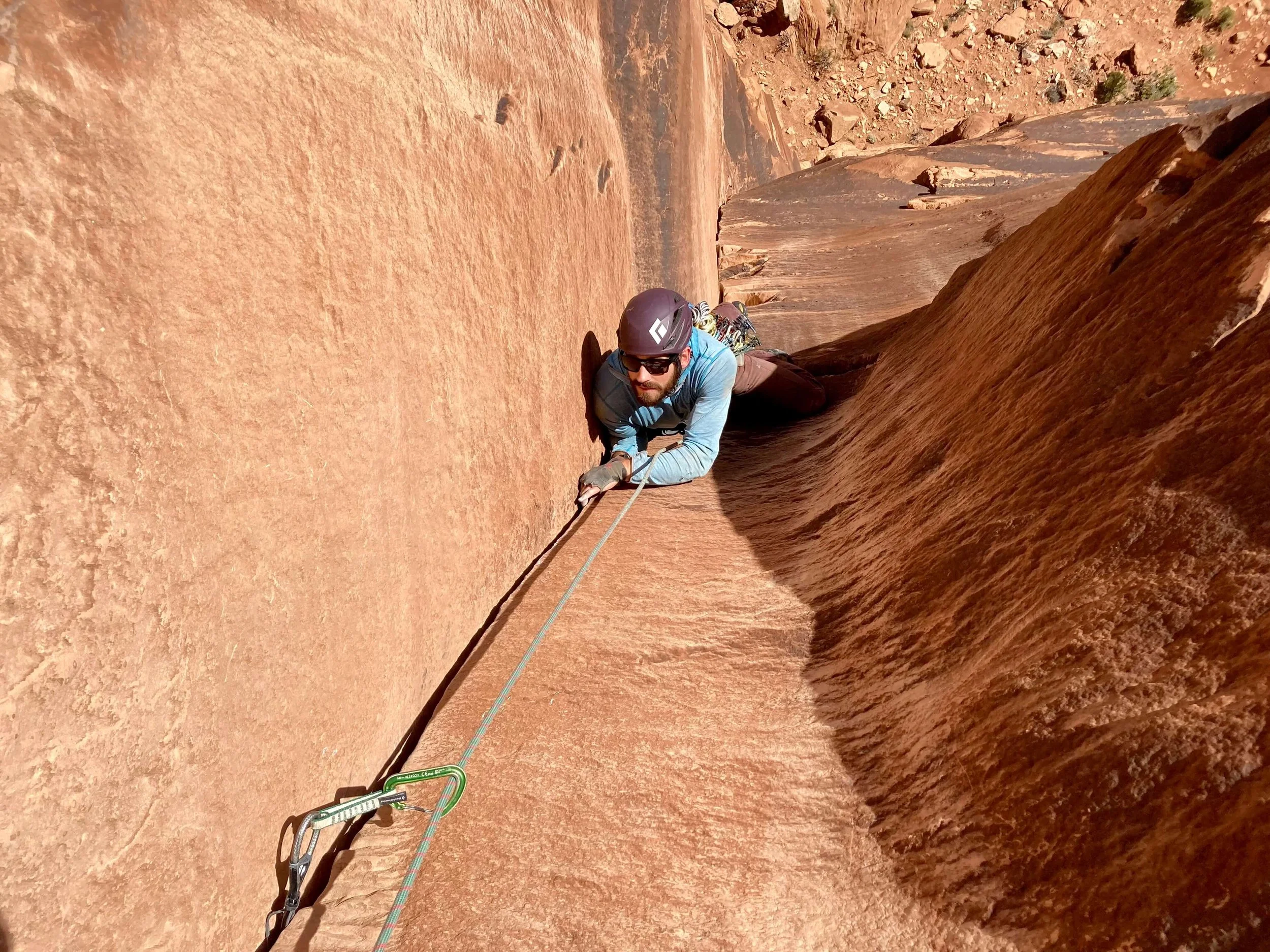
The Kissing Couple is one of the Monument’s most recognizable rock formations, two slender towers connected at the base and separated near the top. The Bell Tower route is a true adventure climb with difficult face climbing, crack climbing and some tight squeezes. This route is truly unique and should be on every desert crack climber’s tick list, though pitch one is a challenging warm up - it’s well worth it! Topping out on the Kissing Couple gives climbers an unforgettable perspective on the desert towers and canyons below, along with a unique summit that feels straight out of the movies.






Frequently asked questions
Below are answers to common questions about rock climbing in Colorado National Monument with Skyward Mountaineering:
-
Grand Junction has several incredible rock climbing zones with varying types of geology, styles of climbing, and difficulty levels.
Colorado National Monument is best known for it’s multi-pitch desert towers, though there are also several great single pitch crack climbing crags throughout the zone. Single pitch routes mostly range from 5.8 to 5.11, while the towers generally are more challenging and have a significant adventuresome feel. A route like Otto’s Route is straightforward and can be a good introduction to multi-pitch climbing, often requiring just one prep day beforehand for novice climbers. Other towers such as Sentinel Tower, Kissing Couple, Bell Tower, or other routes on Independence Monument are advanced routes for experienced climbers.
If you have questions about which route is best for you given your previous experience, get in touch and we’re happy to discuss recommended routes and a training plan to help you get to your goals.
-
Yes! Skyward Mountaineering puts a lot of value in working with you to personalize every guided climbing trip, so details like the start time, hiking pace, photos, climbing instruction, bonus pitches afterwards, etc can all be adjusted to meet your specific goals. Your guide will reach out in the days before the climb to discuss these logistics, please let them know if you have any questions or specific requests.
Additionally, our administrative staff are climbers and guides too and we’re here to support you through the whole process. If you have any questions before booking your guided climb or before the trip starts please reach out to us and we are happy to answer your questions.
-
We guide toproping in Grand Junction at a maximum of 4 climbers per guide. Colorado National Monument has some great toprope rock climbing which can be perfect for a group. If you would like to climb with a group larger than 4 people we can add a guide so everyone is able to climb together. Contact us to discuss a rock climbing trip with groups larger than 4 people.
On multipitch routes we climb at a maximum of 2 climbers per guide, but similarly can also add another guide for additional climbers so you can all climb together.
-
We have a detailed equipment list to help you prepare and pack for your trip. If you have questions about any of the gear please let us know, we’re happy to help make recommendations or clarify.
Skyward Mountaineering provides all of the technical group climbing equipment, this includes ropes, anchor material, protection, etc. Many of clients are experienced rock climbers and prefer to use their own equipment, as such we only have a small amount of personal equipment for climbers to use. Please let the admin staff or your guide know ASAP if you expect to borrow personal climbing equipment such as backpacks, harness, helmet, belay device, carabiners, personal tether, etc. We do not have a fleet of rock climbing shoes, so this piece of gear is often not included, but again let us know and we can try our best to help.
-
The best weather for rock climbing in Colorado National Monument is spring and fall. Temperatures are moderate and rain events are rare. It is also possible to rock climb sunny aspects during the winter months though occasional storms pass through the mountains around GJ and cold windy conditions are certainly possible. The summer is often blazing hot so we would strive for early starts and shady aspect routes to ensure a fun climbing experience.
-
With granite in Unaweep Canyon and the south facing aspect getting plenty of sunshine, it’s reasonable to climb right after a rain event (or even after a few hours to let snow melt in the winter). The sandstone climbing areas in Grand Junction often require a 24 hour period to let the rock dry out though as the rock is more porous and fragile.
In the event of rain or snow making climbing in Grand Junction untenable we may have to reschedule. This rescheduling will depend on how much rain occurs, whether the sun comes out, and what the wind speed/direction is. Thankfully, it’s rare that we have to cancel or reschedule a climb due to weather.
Our guides and office staff will work you to coordinate rescheduling, if necessary. For more information on our cancellation policy, please see our terms and conditions and contact us with any other questions.
-
If you know what dates you want to climb in Grand Junction, you can book your trip directly on our website. You can also get in touch to discuss your goals and ask any questions, we’re happy to help and send you a custom booking.
Though we may have availability for last minute trips, please always reach out and ask, we highly recommend booking your trip at least 2 weeks in advance so we can guarantee your guide’s availability and ensure that you are confirmed with all the logistics.
You may also be interested in:


