
Rock Climbing in Escalante Canyon
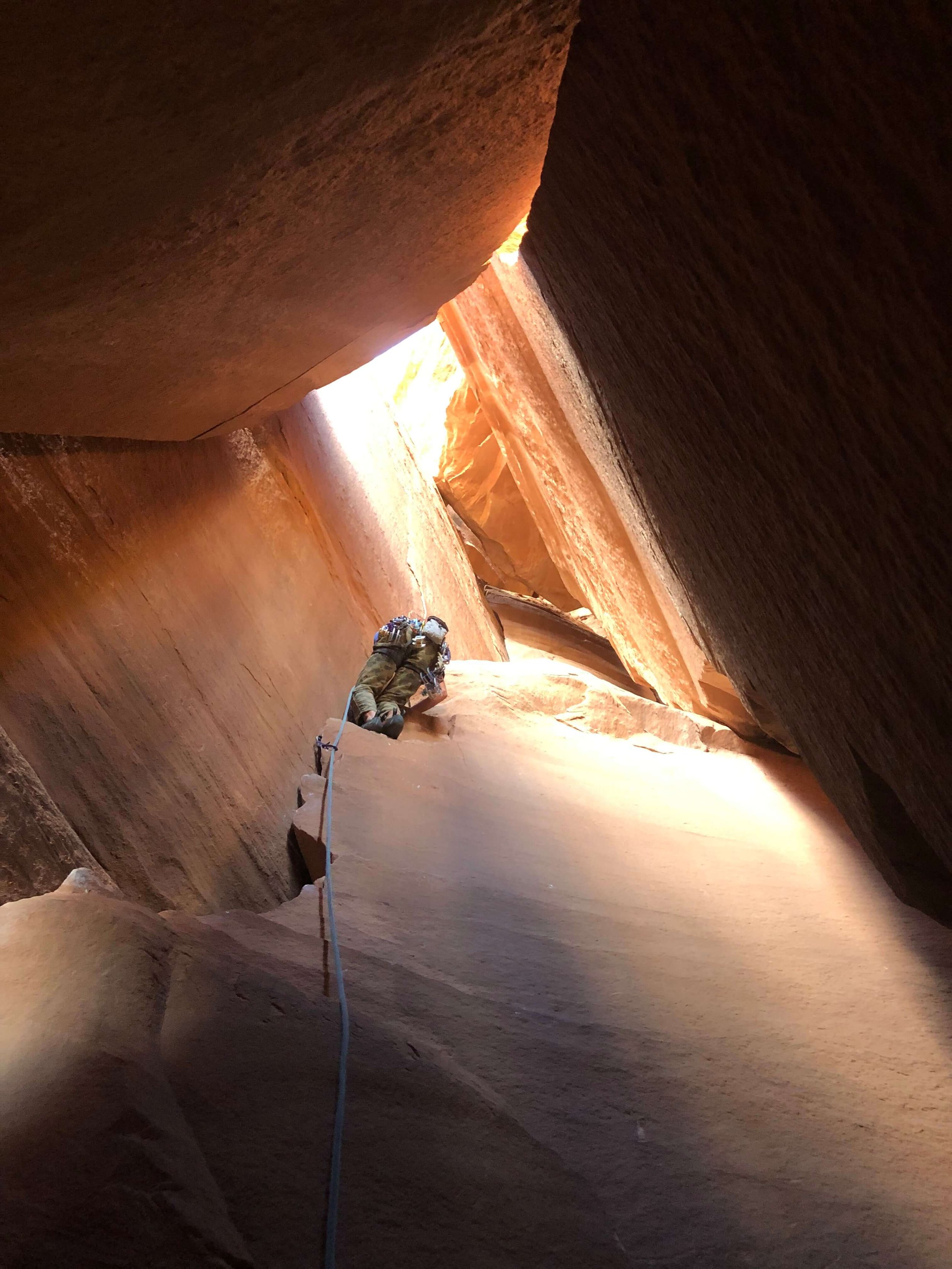
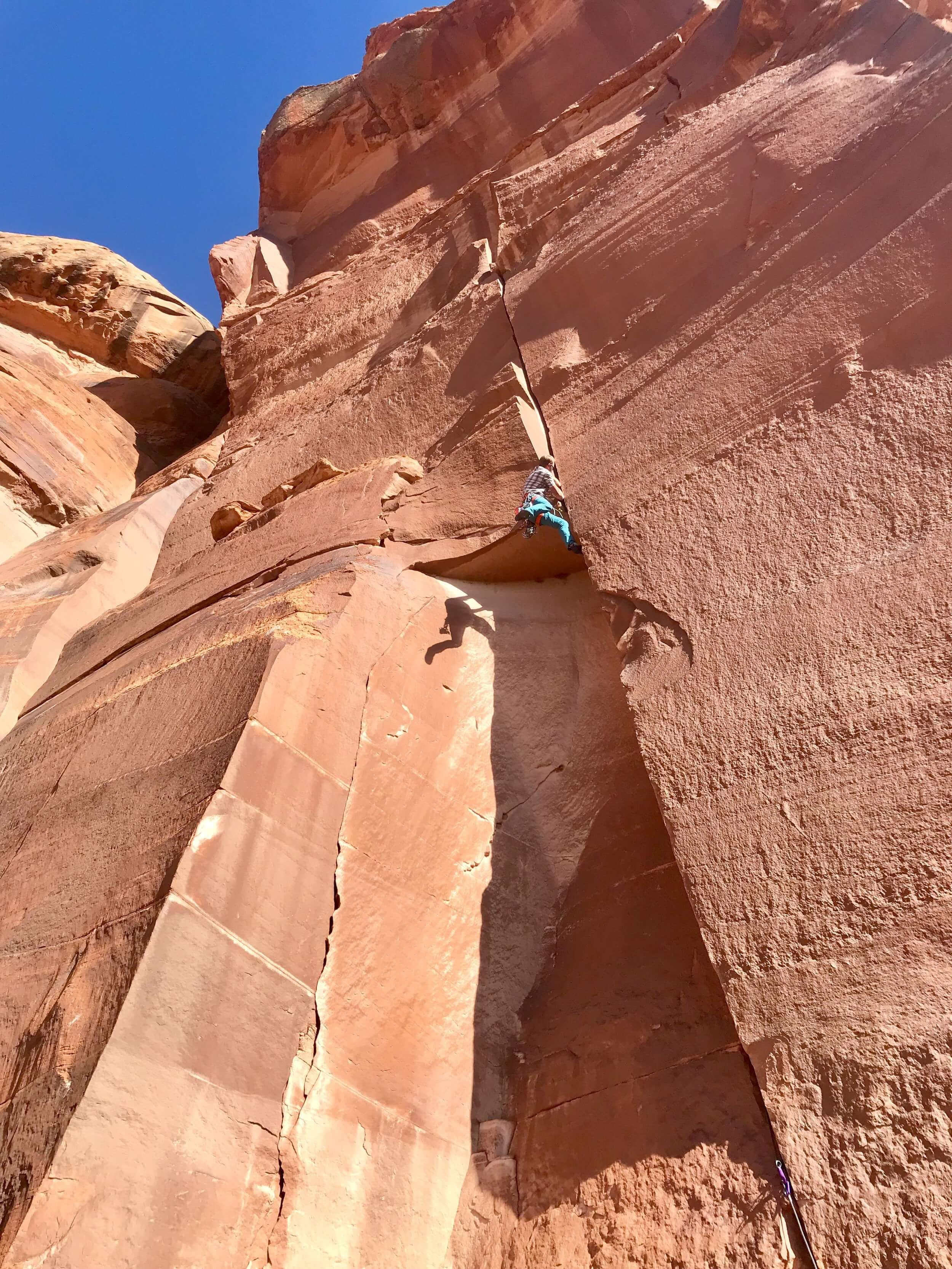
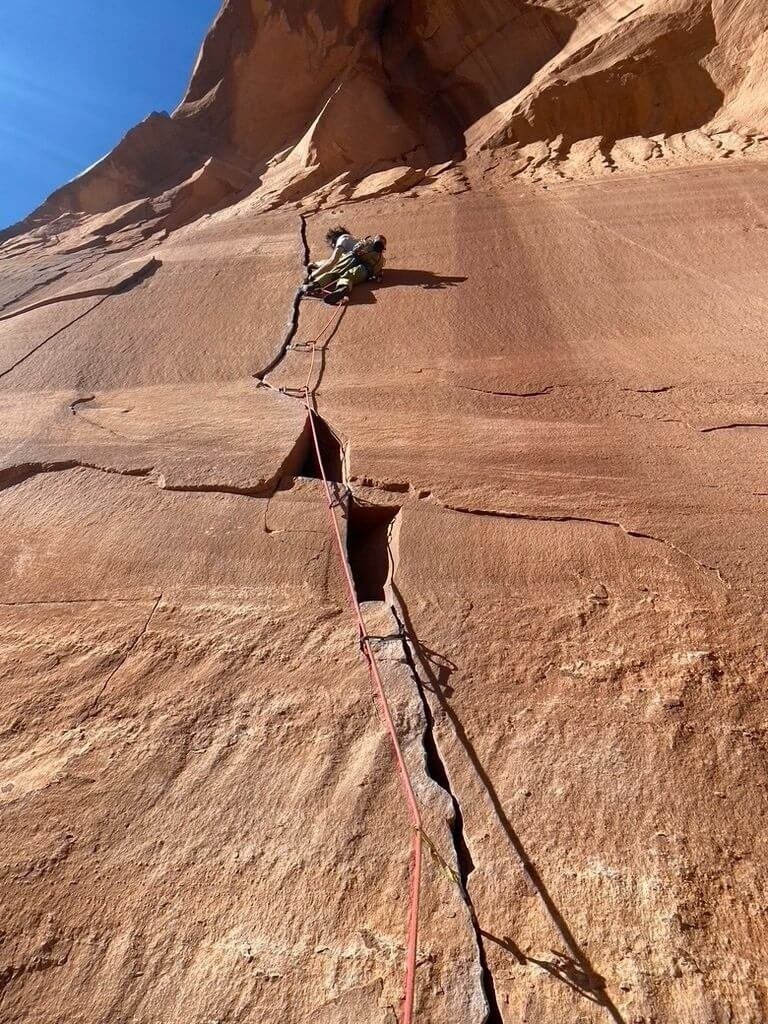
Book a crack climbing adventure on Escalante Canyon’s sandstone splitters. Hidden just south of Grand Junction, Escalante Canyon is one of Colorado’s premier destinations for traditional crack climbing. Towering sandstone cliffs, quiet desert canyons, and miles of splitter cracks make this area a true gem for climbers seeking classic trad climbing away from the crowds. Our AMGA certified guides are expert rock climbers with a breadth of experience coaching climbers on the nuances of crack climbing. Rock climbing in Escalante Canyon is a the ideal destination for climbers who want to learn how to crack climb or improve their efficiency.
Our guided climbing trips in Escalante Canyon are customized to match your skills and goals, often paired with a multi-day trip to the other incredible rock climbing venues around Grand Junction and on the Western Slope. Whether you’re new to jamming or ready to push your desert climbing technique, Escalante offers routes that will inspire and challenge you.


Single pitch crack climbing on desert sandstone
Routes range from 5.9 to 5.13

Beginner/Intermediate difficulty
Approaches are short uphill hikes and all routes can be top roped.

Full day (8 hours)
Mid February - late November

Grand Junction, CO
5,555 ft / 1,693 m
Indian Creek style splitter cracks without the crowds!
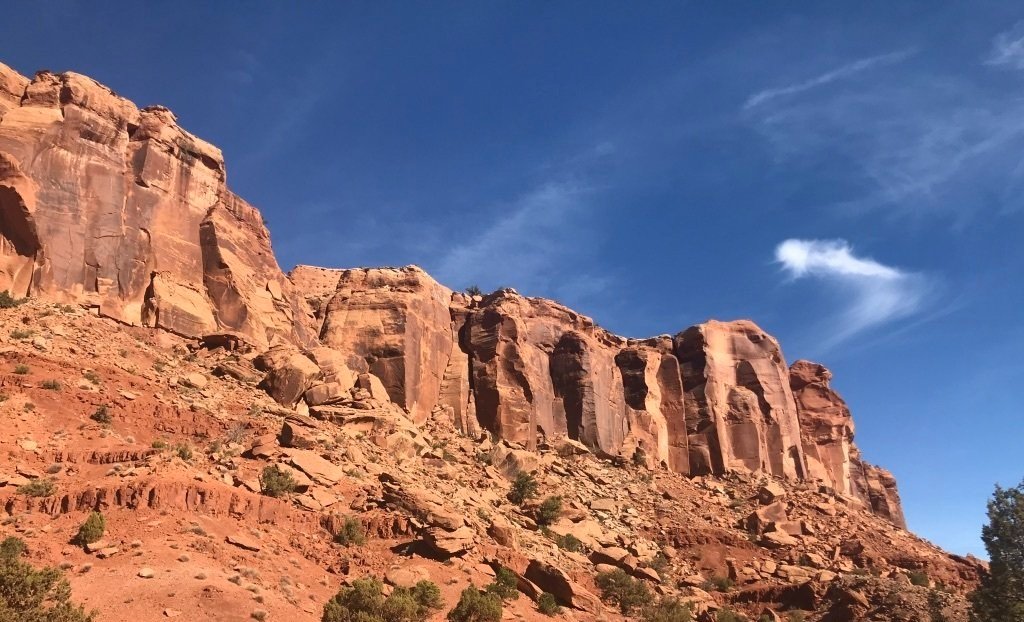
Escalante Canyon is tucked into a secluded area of rural southwest Colorado. This hidden gem is a beautiful and secluded sandstone desert climbing destination with deep red sandstone cliffs and cracks splitting the vertical faces, resembling it’s famous Utah neighbor, Indian Creek, but without the same quantity of routes or people. It is not uncommon to be only party climbing at the entire wall, with your choice of routes amongst the solitude of the desert landscape. The canyon is part of the Escalante-Dominguez National Conservation Area, named after the Roman Catholic friars Atanasio Dominguez and Silvestre de Escalante who led an expedition through the region in the 1700’s. However, the two didn’t actually venture into Escalante Canyon, but there is no shortage of visible cultural history with indigenous petroglyphs, frontier cabins and bullet holes in adjacent rocks - it truly is the Wild West.




Frequently asked questions
Below are answers to common questions about rock climbing in Escalante Canyon with Skyward Mountaineering:
-
Escalante Canyon is one of several climbing destinations in the Grand Junction area. It is a great spot for intermediate to advanced climbers who want to specifically hone their crack climbing technique. The routes in Escalante Canyon start around 5.10 so this location is not well suited to beginner climbers, but route difficulties go up to 5.13 so there are plenty of options for climbers to practice their techniques with the security of a toprope or push themselves on lead with expert coaching from their guide.
Similar to the popular Indian Creek, Escalante Canyon has many splitter sandstone cracks that are fairly uniform in size, giving ample opportunity for climbers to focus on improving their technique at different size cracks. However, the climbs in Escalante Canyon tend to be shorter and slightly more varied than Indian Creek making it a bit more forgiving of an area. Additionally, the rock is often more textured and does tend to have a few face features for footholds.
-
Yes! Skyward Mountaineering puts a lot of value in working with you to personalize every guided climbing trip, so details like the start time, hiking pace, photos, climbing instruction, and amount of pitches climbed in the day can all be adjusted to meet your specific goals. Your guide will reach out in the days before the climb to discuss these logistics, please let them know if you have any questions or specific requests.
Additionally, our administrative staff are climbers and guides too and we’re here to support you through the whole process. If you have any questions before booking your guided climb or before the trip starts please reach out to us and we are happy to answer your questions.
-
Welcome to the world of rock climbing, you’re life will likely be different from now on. Grand Junction and the surrounding West Slope is an awesome spot for a rock climbing vacation. Escalante Canyon is best for intermediate level climbers with previous experience climbing outdoors. We highly recommend a 3-4 day itinerary to optimize your opportunity rock climb outdoors in Grand Junction, spending the first couple of days in a nearby area like Unaweep Canyon before coming to Escalante Canyon to focus on crack climbing.
-
We guide toproping in Escalante Canyon at a maximum of 4 climbers per guide. If you would like to climb with a group larger than 4 people we can add a guide so everyone is able to climb together. Contact us to discuss a rock climbing trip with groups larger than 4 people.
-
We have a detailed equipment list to help you prepare and pack for your trip. If you have questions about any of the gear please let us know, we’re happy to help make recommendations or clarify.
Skyward Mountaineering provides all of the technical group climbing equipment, this includes ropes, anchor material, protection, etc. Many of clients are experienced rock climbers and prefer to use their own equipment, as such we only have a small amount of personal equipment for climbers to use. Please let the admin staff or your guide know ASAP if you expect to borrow personal climbing equipment such as backpacks, harness, helmet, belay device, carabiners, personal tether, etc.
-
Most of the cliffs in Escalante Canyon face south and therefore receive plenty of sunshine making the best time for climbing in Escalante Canyon during cooler temperatures. The spring and fall are typically the most reliable conditions, though on warmer sunny days it is possible to enjoy climbing even in the middle of winter. Summer is generally too hot and with little opportunities for shade, it would be better to climb elsewhere, such as Rifle or Ouray.
-
The rock climbing in Escalante Canyon is on sandstone, which is porous so it is often necessary to have a 24 hour buffer period after heavy rain to let the rock dry out. The cliffs in Escalante Canyon do face south so they can dry out quicker after light rain events and it may be possible to climb within that timeframe - this is on a case-by-case basis based on the wind, sun, and amount of precipitation. Our guides are conservative when it comes to environmental and safety concerns such as climbing on wet rock that may be prone to breaking.
In the event of rain or snow making climbing in Escalante untenable we may have to reschedule or potentially relocate to a different venue that isn’t affected by the weather pattern. Thankfully, it’s rare that we have to cancel or reschedule a climb due to weather though. Our guides and office staff will work you to coordinate rescheduling, if necessary. For more information on our cancellation policy, please see our terms and conditions and contact us with any other questions.
-
If you know what dates you want to climb in Escalante Canyon, you can book your trip directly on our website. You can also get in touch to discuss your goals and ask any questions, we’re happy to help and send you a custom booking.
Though we may have availability for last minute trips, please always reach out and ask, we highly recommend booking your trip at least 2 weeks in advance so we can guarantee your guide’s availability and ensure that you are confirmed with all the logistics.
You may also be interested in:


